This project is private
This case study isn't public yet. Enter the password to take a look.
This case study isn't public yet. Enter the password to take a look.
Case Study · eBay
Using computer vision to connect buying and selling through item discovery.
Project Summary
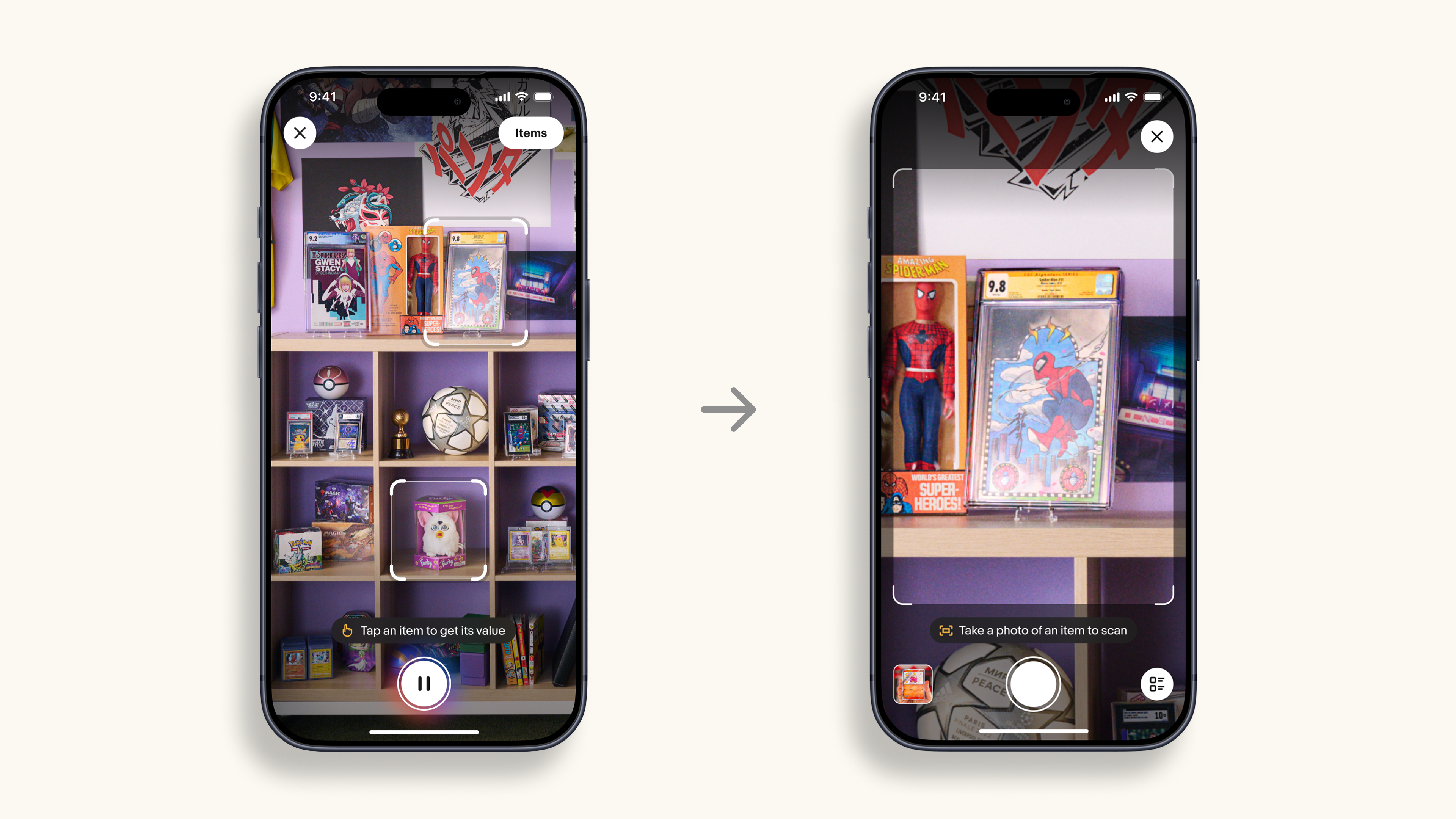
Smart Lens is an AI-powered concept designed to help users discover the value of unique items through a simple camera-first experience.
The project explored how eBay could help users understand what an item was worth, learn about market demand, and seamlessly transition from curiosity to buying or selling.
Originally developed through a hackathon partnership between Selling and CoreAI, many of the concepts later influenced initiatives across eBay including Sports Trading Cards and Magical Listings.
The Opportunity
Determining whether something is worth selling often requires a chain of effort:
This friction creates uncertainty and prevents potential sellers from ever entering the marketplace. So we asked:
What if users could simply point a camera at an item and instantly understand its value?
My Role
I served as design lead and partnered closely with eBay's CoreAI team to define the vision and experience. The project was a collaborative effort between Selling and CoreAI, helping establish a shared vision for how AI could unlock new buying and selling opportunities.
Key Challenges
The original concept explored a live-scanning experience. However, legal and privacy concerns emerged around personal documents, family members, sensitive information, and unintended image capture.
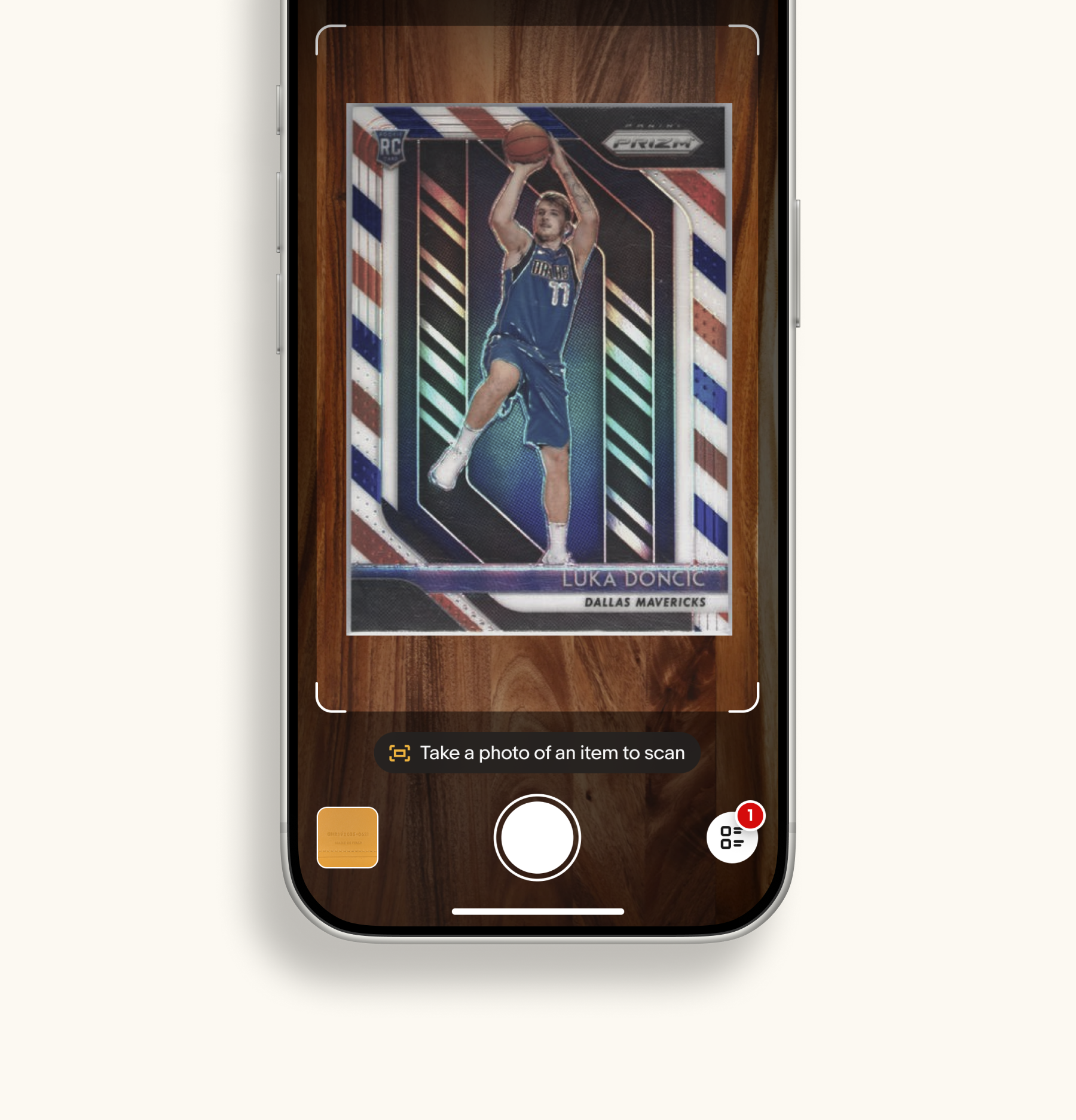
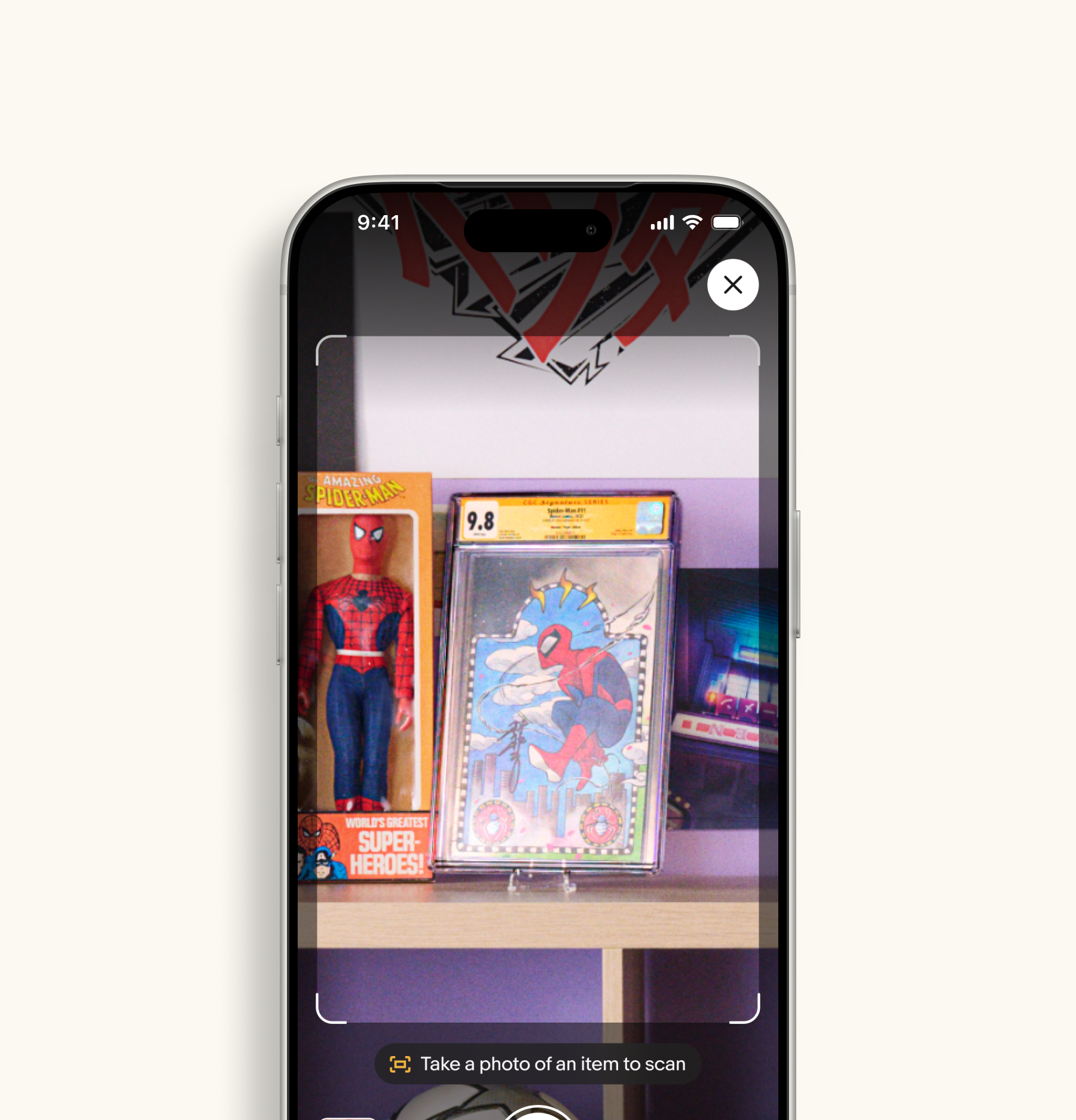
To address these concerns, we shifted to a photo-first experience that gave users explicit control over what was analyzed.
Computer vision introduced new challenges around identifying items that could not legally be sold on the platform. The experience required clear handling for restricted items, prohibited inventory, and unsupported product categories.
This helped establish user trust while ensuring compliance with marketplace policies.
Experience Flow
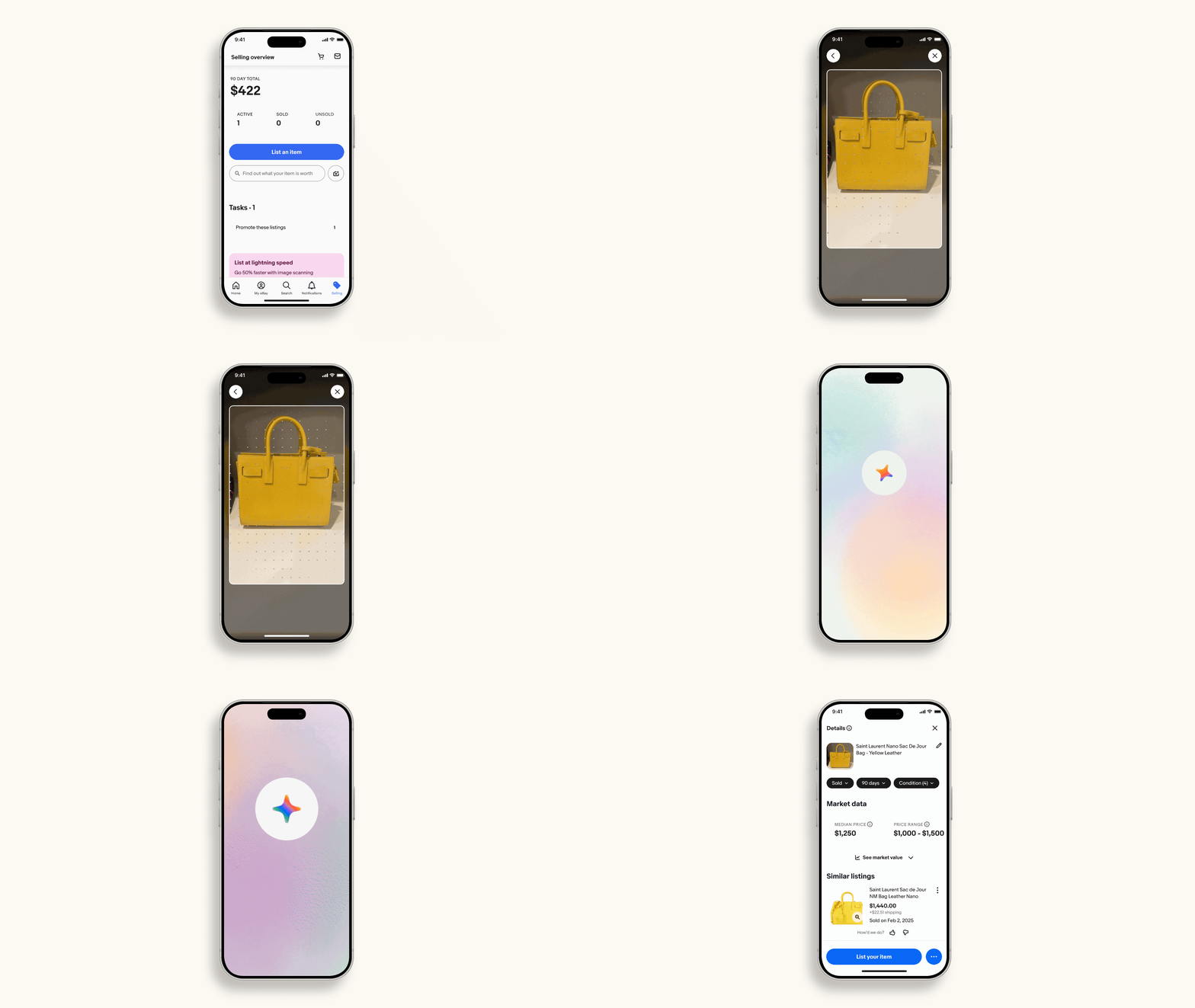
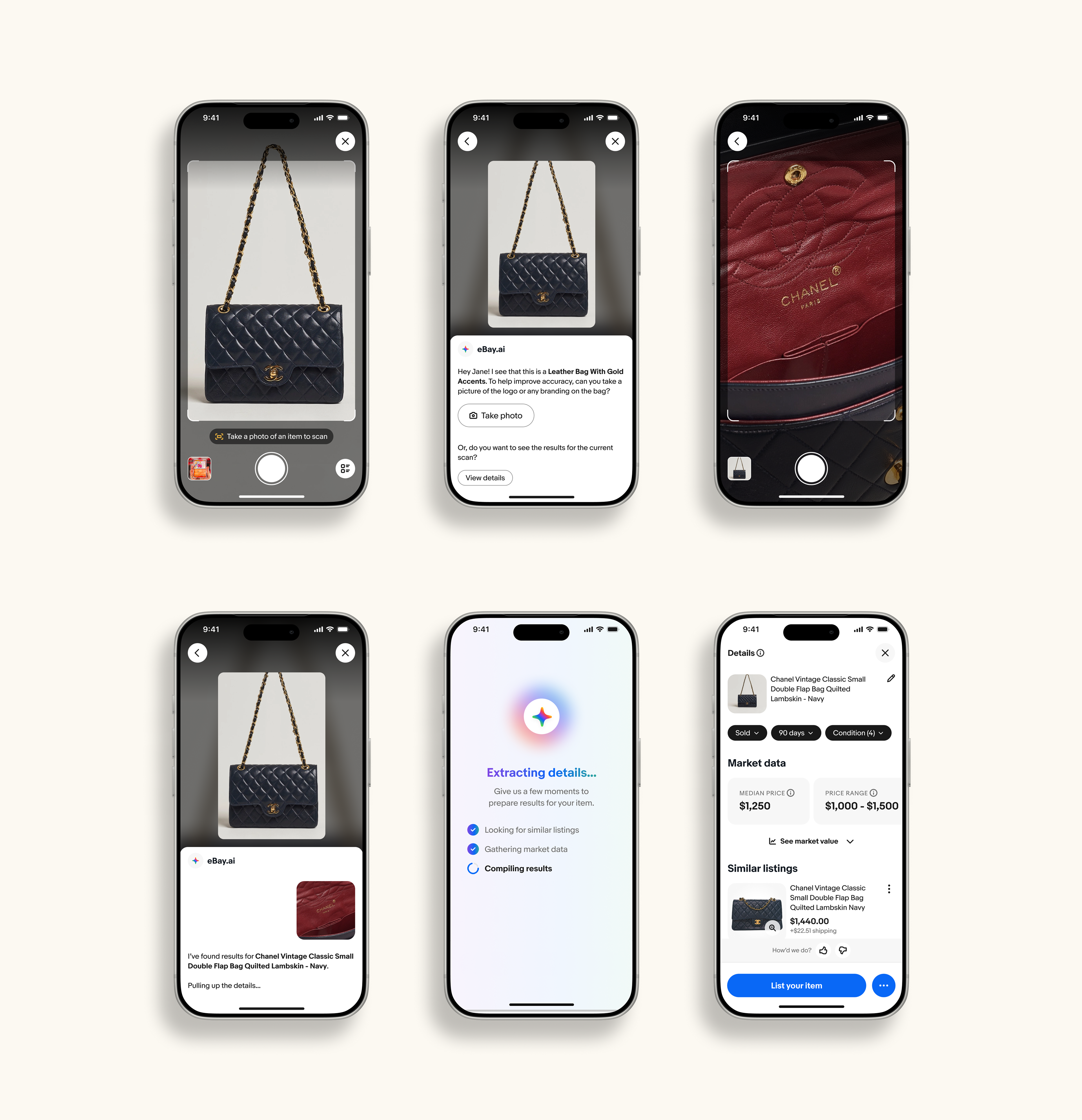
Users launch the experience from Siri, Google Assistant, eBay Search, or selling entry points. The experience opens directly into a camera-first flow where users photograph an item.
When a single image isn't enough to confidently identify an item, an agentic bottom sheet steps in and asks for one additional detail that will help the AI narrow things down.
Users stay in control: they can provide a follow-up photo or simply view the result set from their original image. When a second image is added, it's used to refine the results which sharpens the match and produces a better outcome.
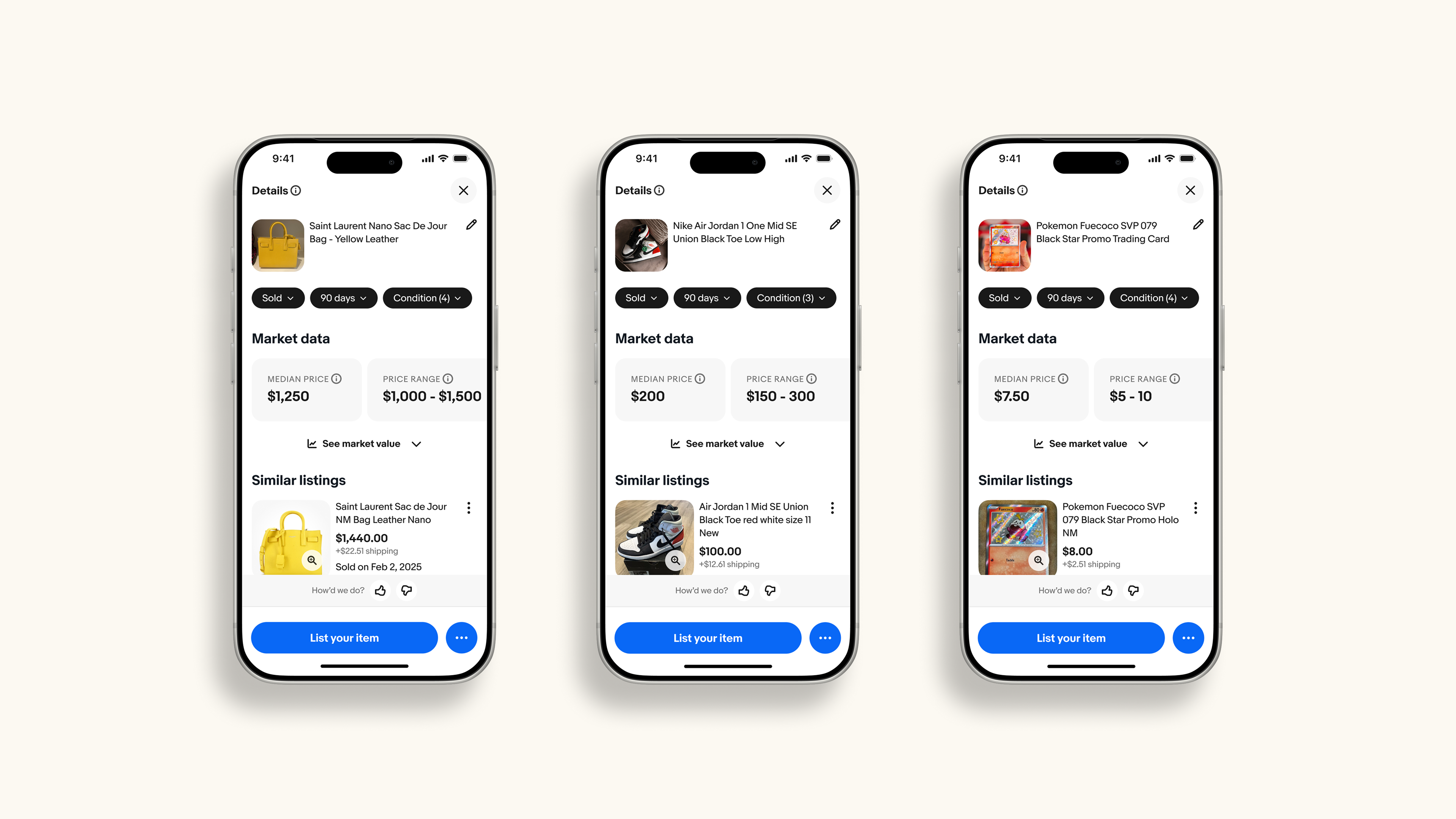
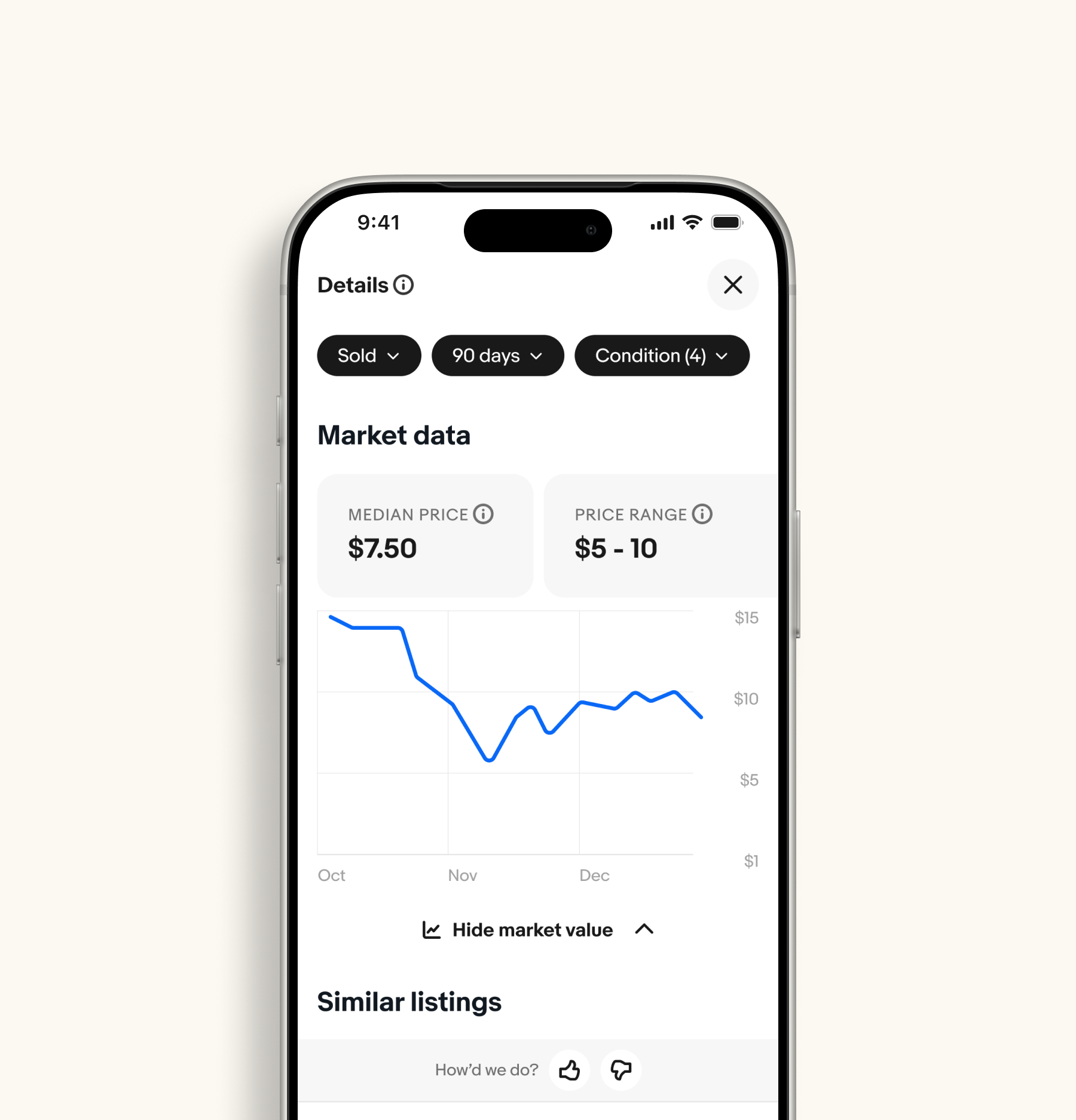
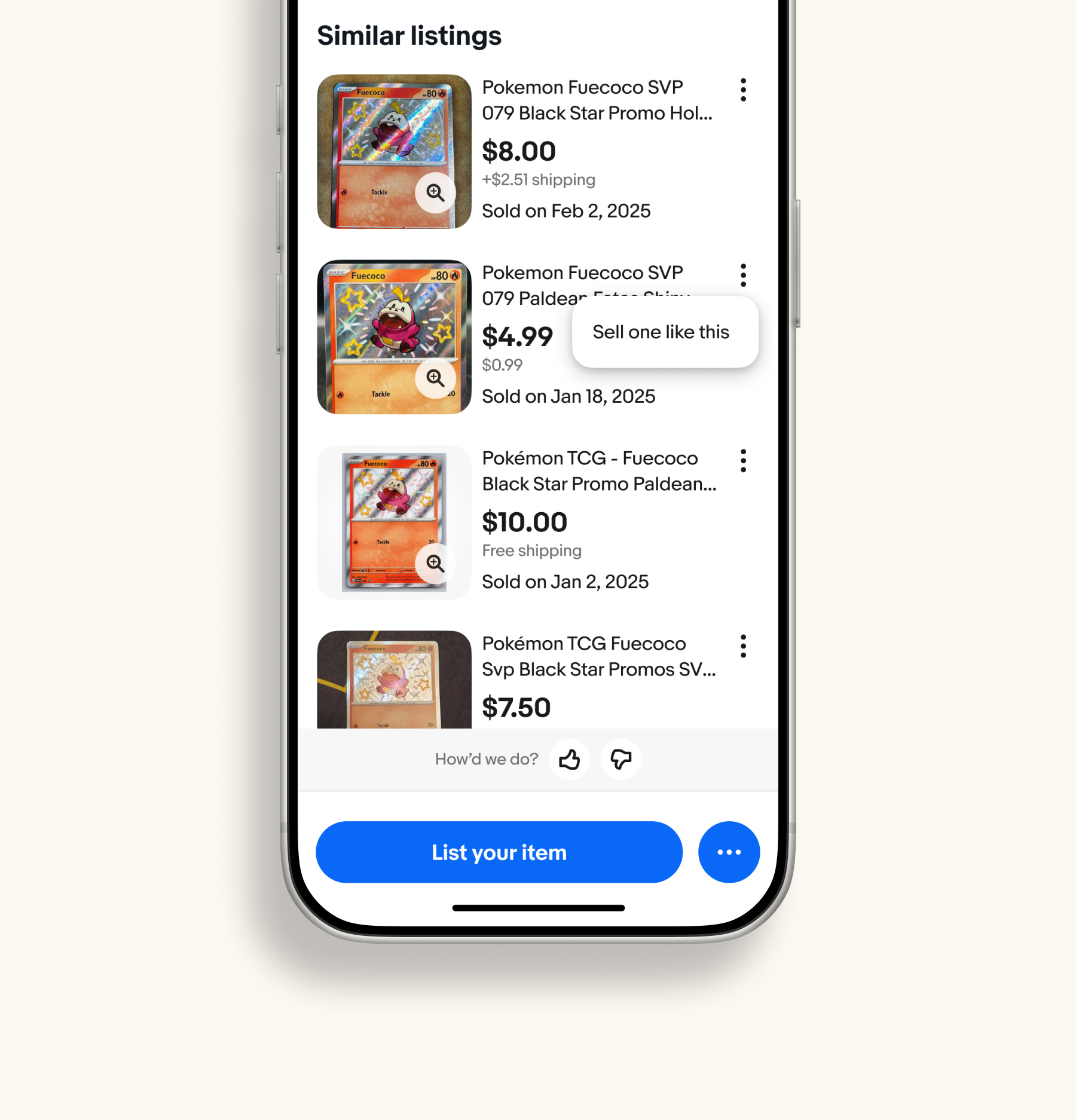
Users receive detailed information including active listings, sold listings, market value, price range, historical trends, and similar inventory. The goal is to reduce uncertainty and help users understand the value of their item for buying or selling.
Key Design Principles
No. 1
Help users understand whether an item has value before asking them to sell it.
No. 2
Provide supporting marketplace data so users understand how values are generated.
No. 3
Create a seamless path from curiosity to action.
No. 4
Use AI to inform decisions while maintaining user control and trust.
Reflection
Smart Lens reinforced my belief that AI is most powerful when it reduces uncertainty and helps people make informed decisions.
While the original horizontal experience did not launch as envisioned, the work influenced future initiatives across eBay including Sports Trading Cards and Magical Listings.
More importantly, it demonstrated how AI could bridge buying and selling thus helping users better understand the value of the items around them and empowering them to take action with confidence.
Happy to talk through the process, tradeoffs, and what I'd do differently.